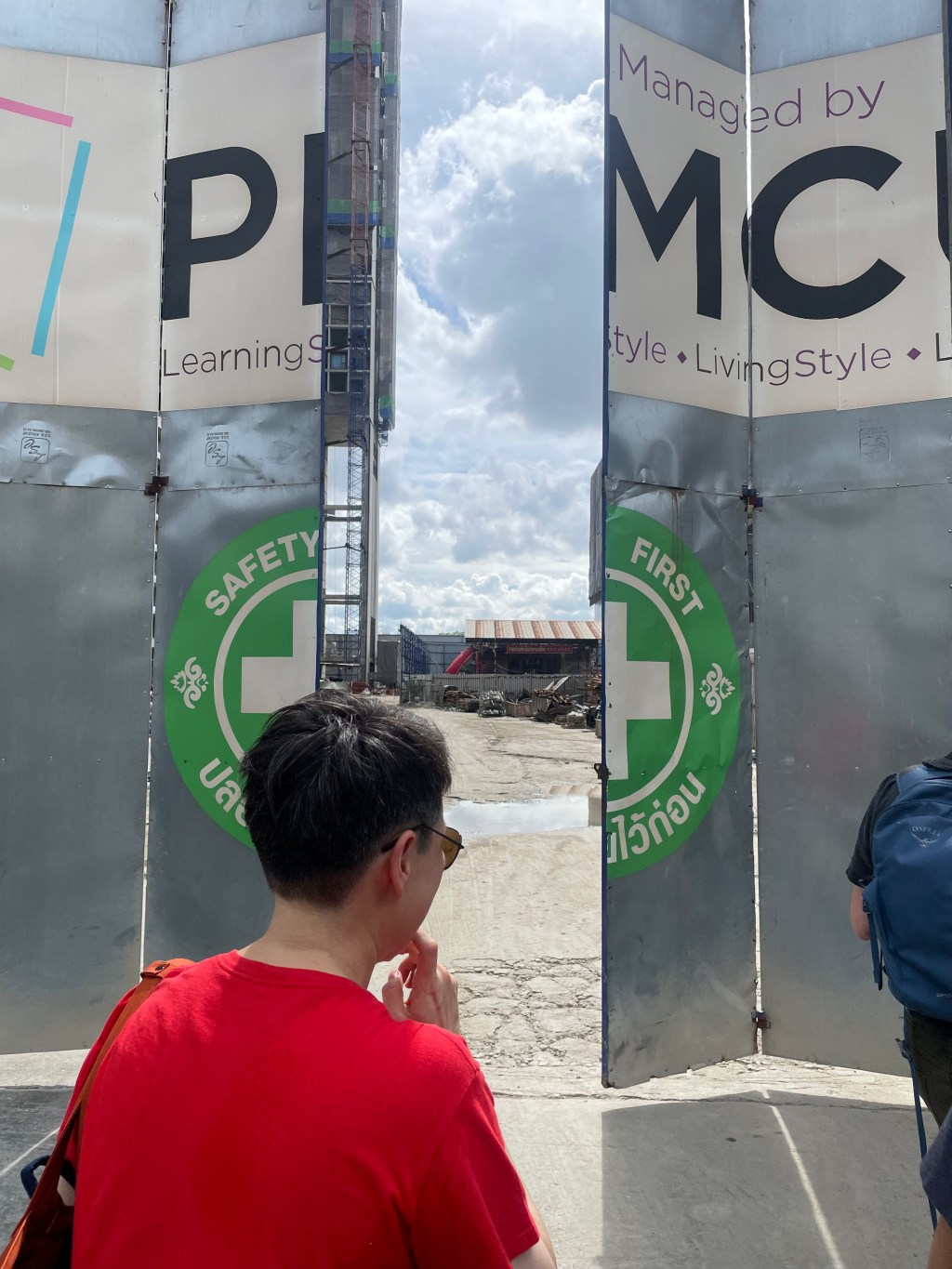
On May 26th, we had the opportunity to join a group of undergraduate student activists passionate about social justice and progressive change on a richly informative tour of Samyan, a neighborhood undergoing significant transformations due to gentrification and eviction. These students took us to various sites poised for eviction and redevelopment, shedding light on several intersecting questions of the role of universities, neighborhood change, and social justice.
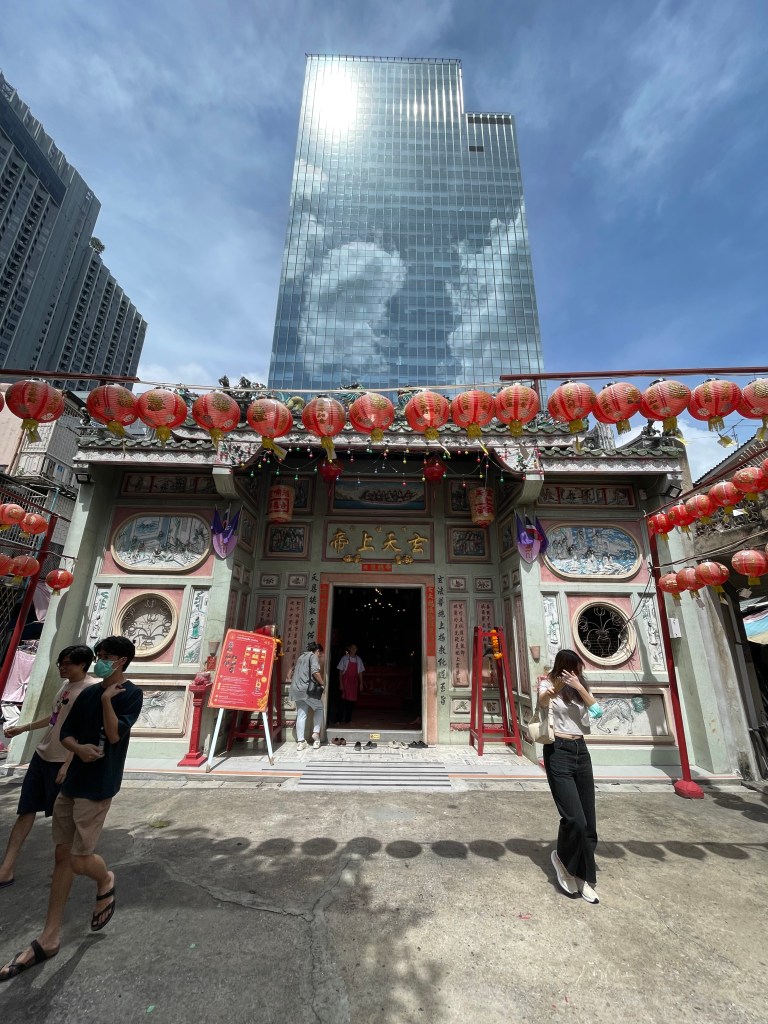
Chulalongkorn University, the landowner, has aggressively redeveloped its property over the past decade, resulting in the displacement of many former residents. Today, the Tub Tim shrine has emerged as the symbol of the community’s resistance against eviction. Nestled between two impending high-rise developments, the shrine has become a bastion of anti-eviction efforts. Intriguingly, it has gained unexpected popularity among young Bangkokians who visit to wish for prosperity, pointing to the broader angst of the current generation that faces job precarity, social anxiety, and other forms of emotional precarity.
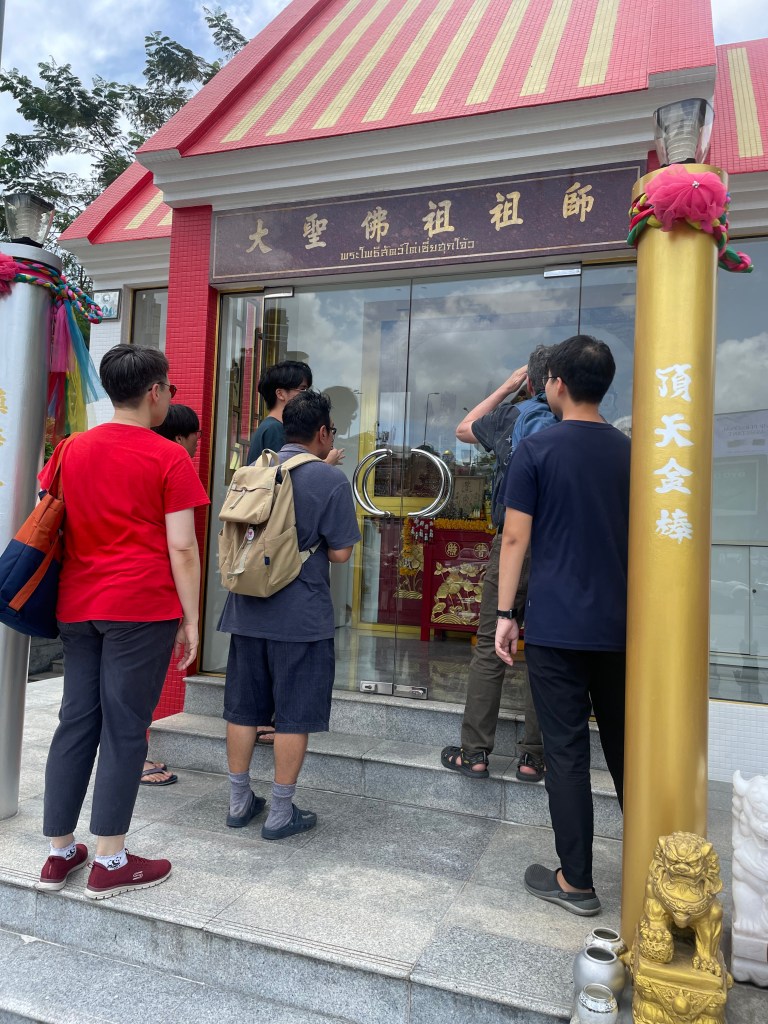
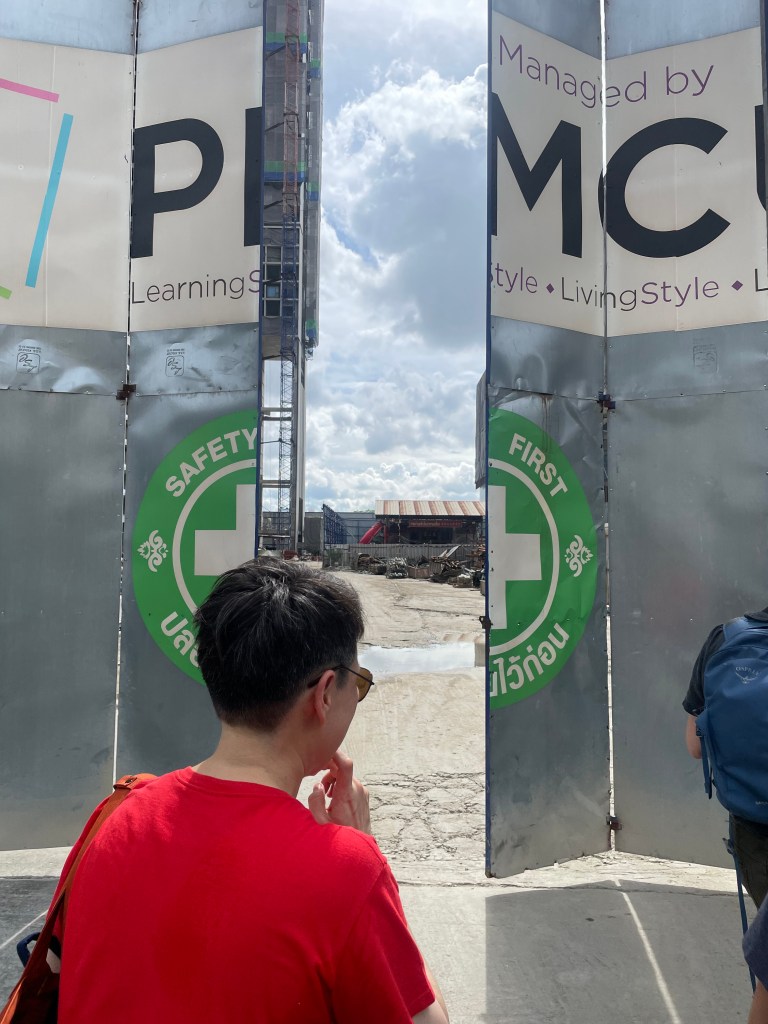
Our day with the student activists revealed so much, prompting numerous questions about the neoliberalizing university, competition among higher education institutions in Asia, and urban change. One key question is the extent to which the concepts of gentrification and studentification are useful in this context. What does it mean when a university transitions into a real estate developer? Furthermore, what we witness is not an open land market but one fraught with historical legacies of land relationships in Siam/Thailand.
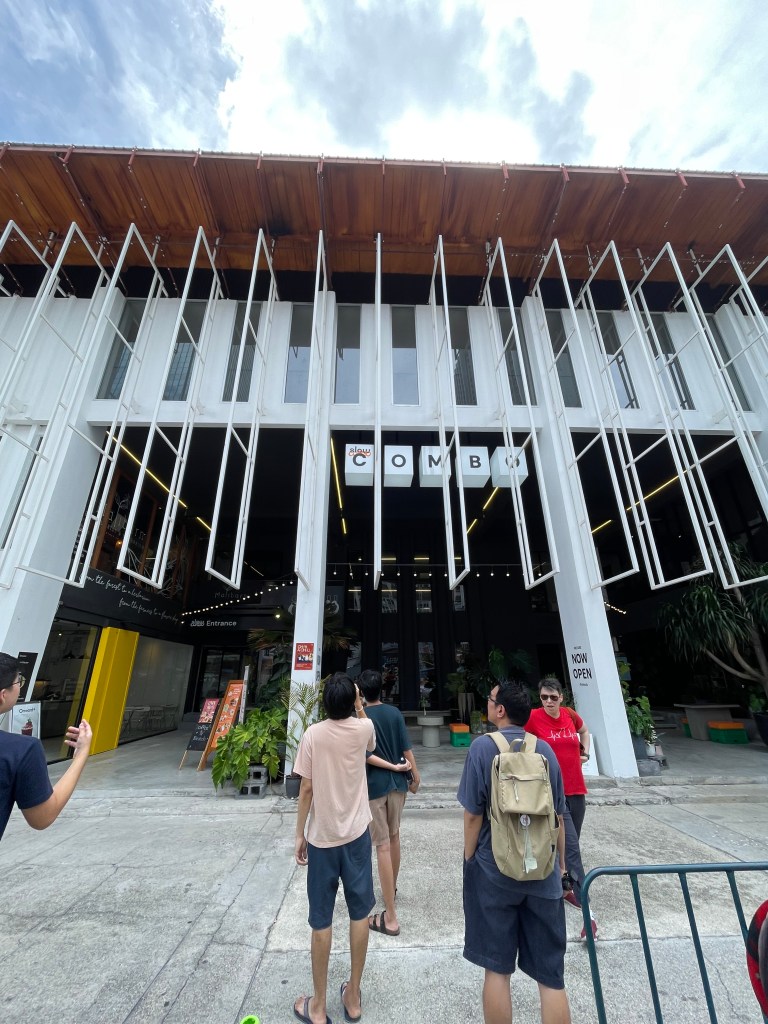

The students, with their keen interest in critical urbanism, raised a legitimate question that compelled us to reflect on the absence of critical urban studies scholarship in Thailand. This reflection is particularly poignant given Thai society’s long-standing favorable attitude toward gentrification, which makes achieving public visibility for these issues challenging.
 Napong Tao Rugkhapan
Leave a comment